Case study
BidRev
A brand-new consumer brand, built to test selling cars straight to ACV's dealer network. I created everything but the name. In a 4-week test it lifted lead generation 3.5%, and the data showed it wasn't worth scaling.
In 60 seconds
- The idea: What if people could sell their car the way dealers do: to the highest bidder, in a live auction, without ever visiting a dealership? BidRev was ACV’s test of that idea, under a brand of its own.
- What I did: I created everything except the name. The brand identity, the messaging, the marketing site, the offer flow, the live auction experience, the rules for edge cases, and the go-to-market plan. I built it on a white-label version of the ClearCar flow I’d already designed, so we could run the test without building a new product from scratch.
- The result: In a 4-week test with a selected group of users, the new messaging and streamlined experience increased lead generation by 3.5%. But the cost of launching the full campaign to everyone outweighed that gain, so ACV didn’t scale it. The test answered the question quickly and cheaply, which is exactly what it was for.
The idea
Most people selling a car have two options: take whatever a dealership offers, or deal with strangers online. Dealers, meanwhile, buy cars every day in ACV’s auctions, competing against each other.
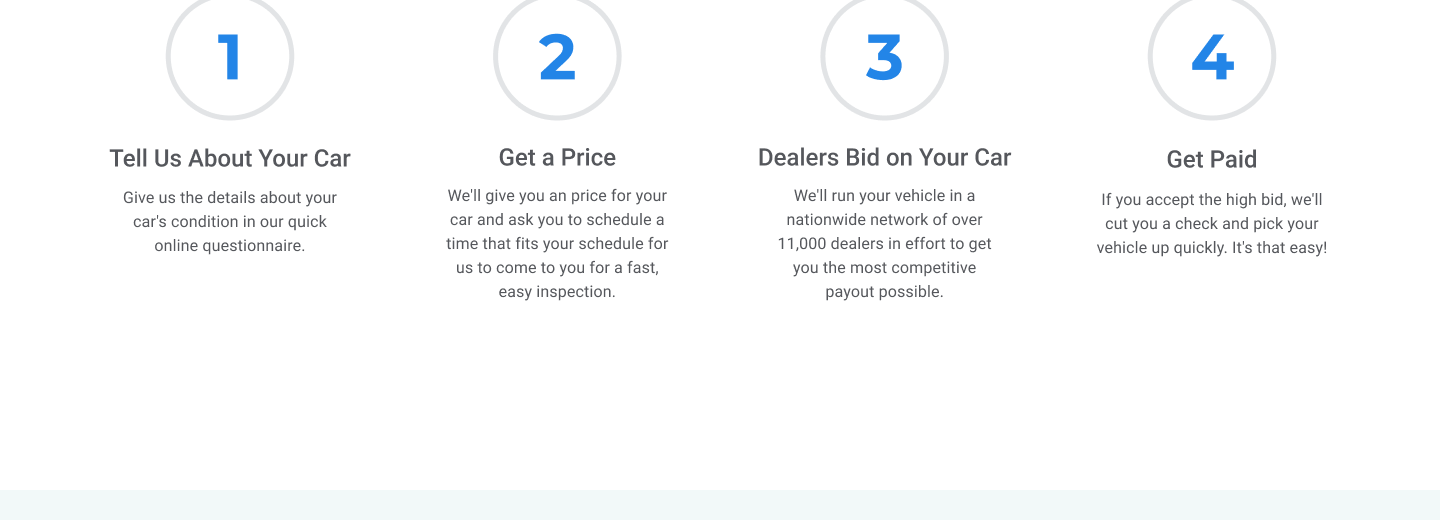
BidRev put those two things together. A person describes their car, gets a price, and an inspector comes to them. Then their car runs in a live auction to ACV’s dealer network. If they accept the winning bid, they get paid and the car gets picked up.
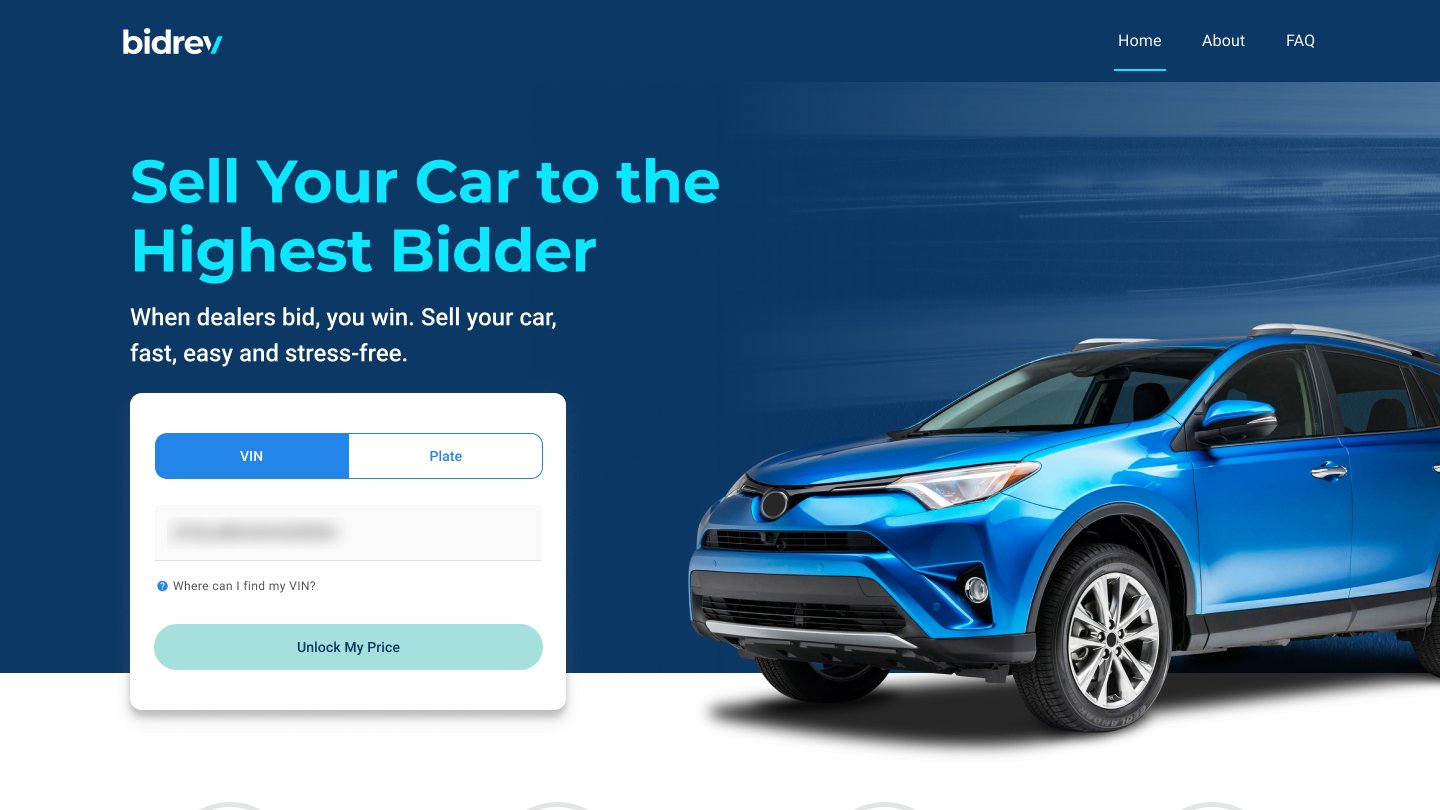
The promise fit in one line, and I made it the headline: “Sell your car to the highest bidder.”
A brand from a blank page
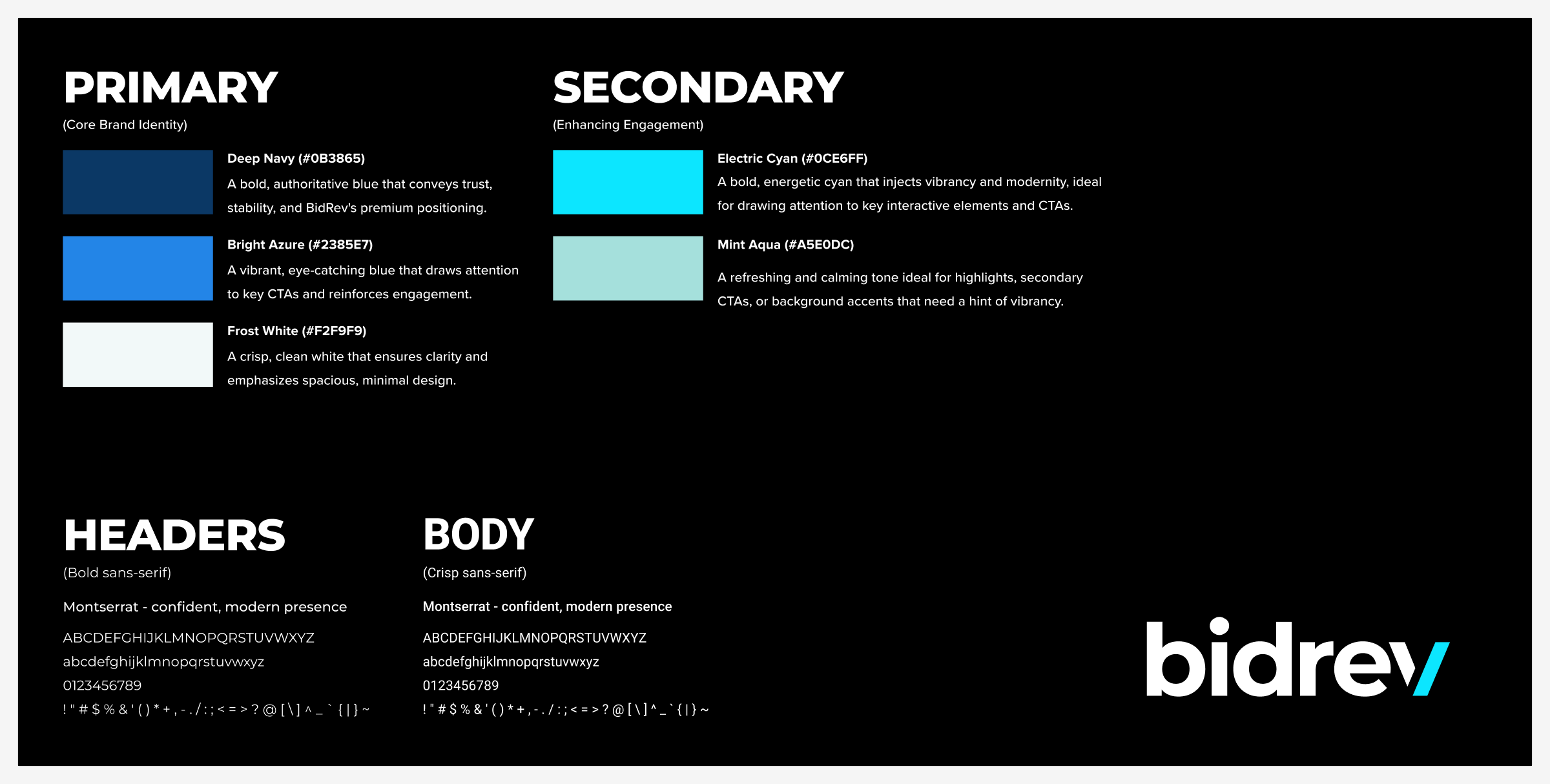
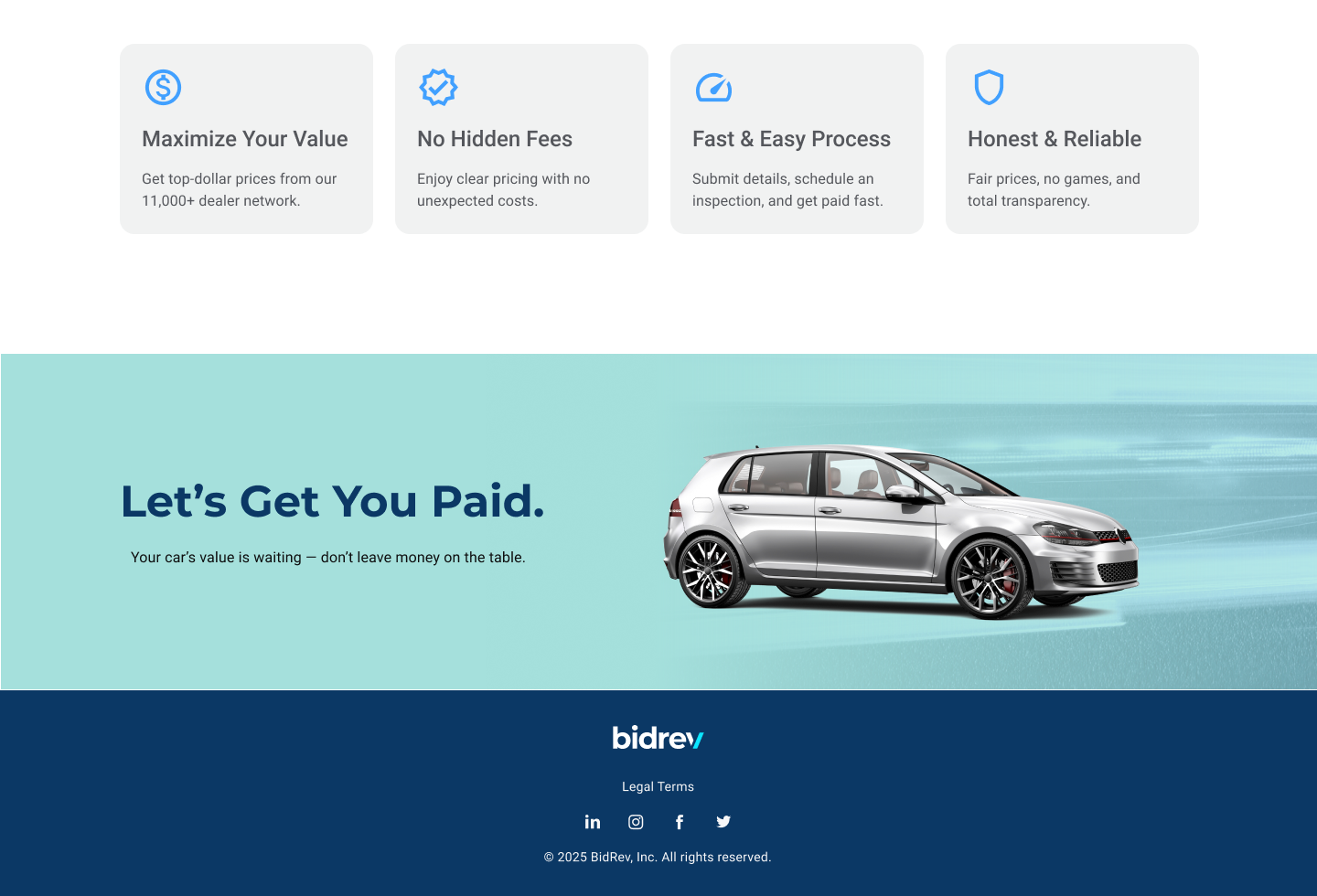
BidRev needed to feel trustworthy to someone who had never heard of it, and exciting enough to try. I defined the brand around those two jobs: deep navy and azure for trust and stability, electric cyan to draw the eye to what matters, and a bold, modern typeface with a confident voice to match.
I wrote the messaging the same way: short, plain, and built on what people worry about when selling a car. “No lowball prices, no fees, just honest deals.” “Fair prices, no games, and total transparency.” “Your car’s value is waiting. Don’t leave money on the table.”
Showing the auction, not just describing it
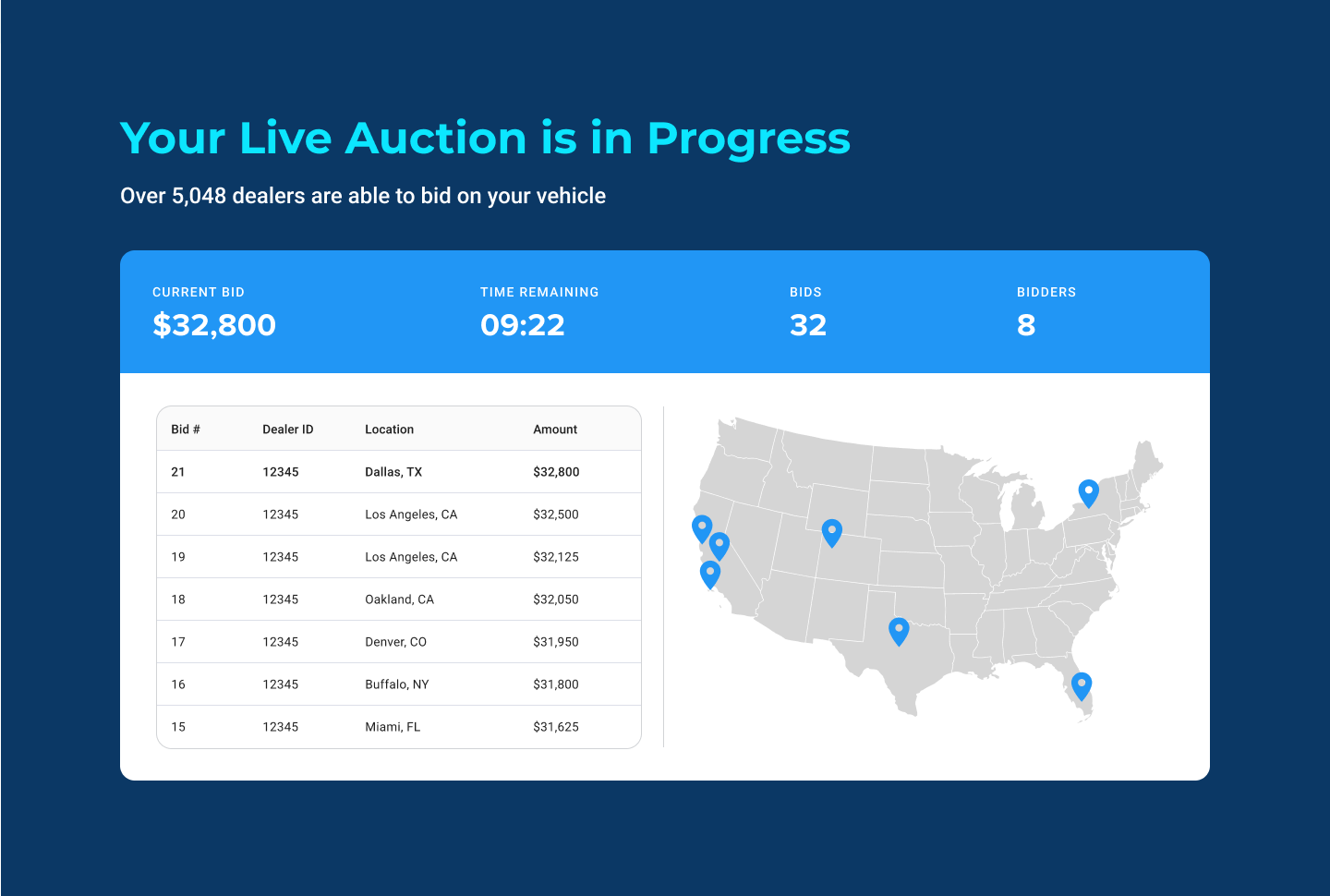
“Dealers bid on your car” is abstract. So the homepage shows it: a live auction in progress, with the current bid, the time remaining, how many dealers are bidding, and where they are on a map. In one glance, a first-time visitor understands what makes BidRev different.
Built on ClearCar, tuned for a new audience
Rather than build a new product, I used a white-label version of the ClearCar offer flow: enter a plate or VIN, confirm the car, answer condition questions, and get a price. That kept the test fast and cheap to run. Then I tuned it for someone selling, not trading in: new copy, a price page that promises speed and no fees, and a clear “What happens next.”
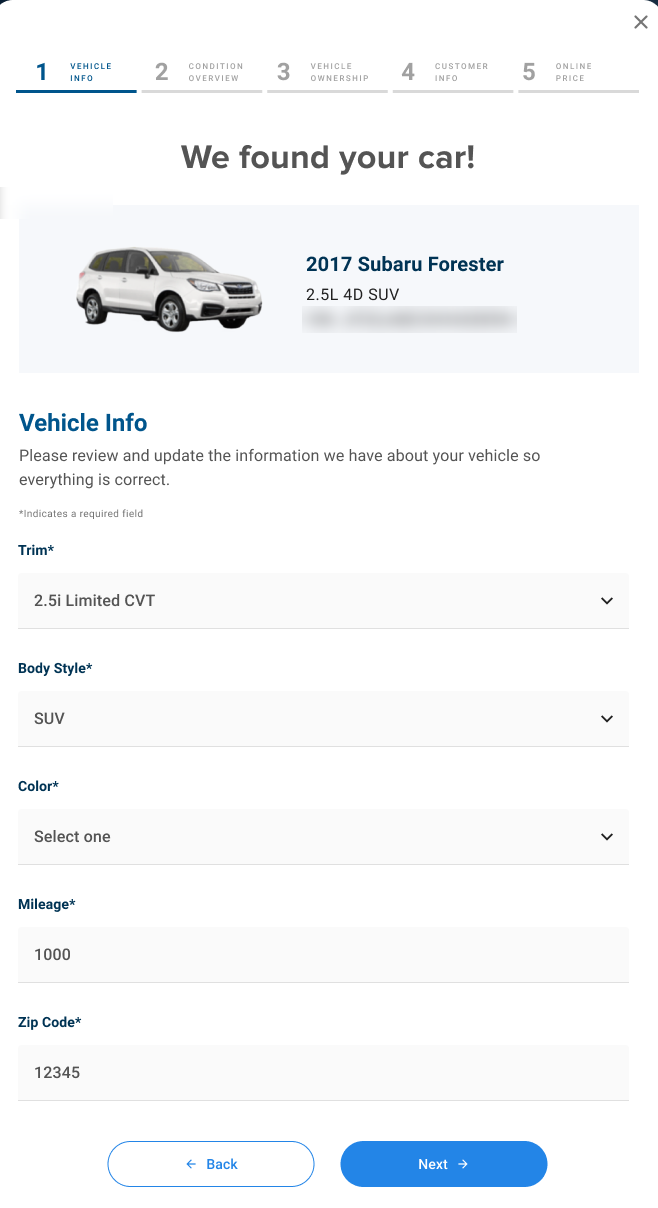
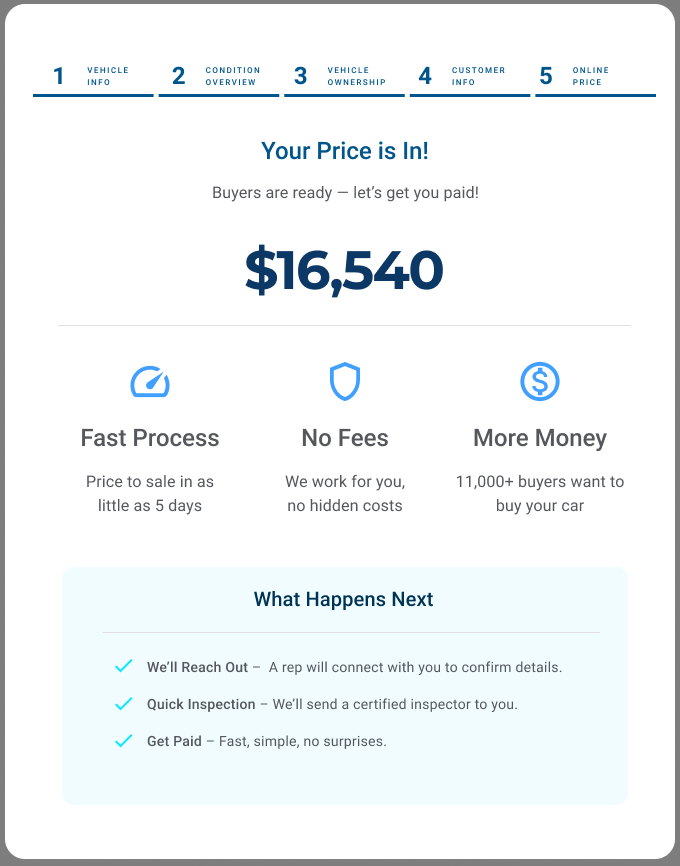
I also designed for the cases that could break trust. Leased cars and cars worth less than what’s owed can’t be sold this way, so the flow catches them early and explains why, instead of letting someone get a price they can’t use. And the full FAQ and legal pages answer the hard questions before anyone has to ask.
The go-to-market plan
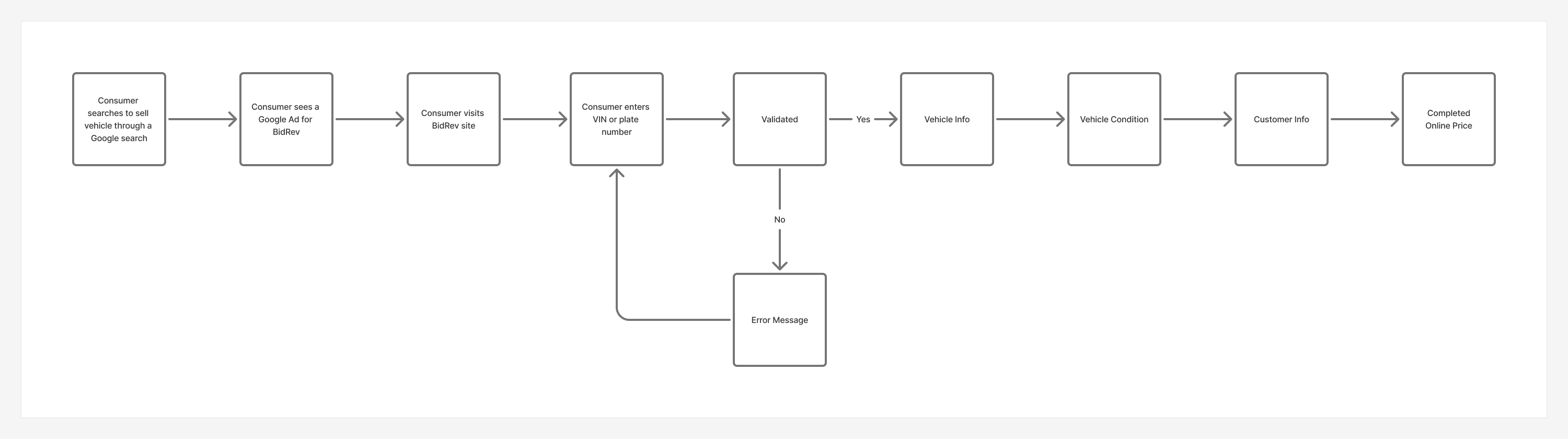
A brand no one has heard of has to be found. I mapped the path from the very first moment: someone searches for how to sell their car, sees a BidRev ad, lands on the site, and enters a plate or VIN. From there, every step leads to one goal: a completed online price.
What the test showed
We ran BidRev for four weeks with a selected group of users instead of the whole audience, so we could learn before spending big.
The design worked. The new messaging, the auction-first approach, and the streamlined flow increased lead generation by 3.5%. But a full campaign to reach everyone would have cost more than that lift was worth. So the answer was clear: a real improvement, but not a business worth scaling on its own.
That’s a good outcome for a test. It gave ACV a confident “no” in four weeks, for the cost of a small experiment instead of a full launch.
The goal of a test isn’t to be right. It’s to find out, quickly and cheaply, whether you are.
What I took away
The fastest way to test a new business is to reuse what already works. Because ClearCar was built to be white-labeled, a brand-new consumer business could run on it with new branding, new copy, and a few targeted changes.
Designing the brand, the messaging, and the product together made each one stronger. The headline promised the highest bid, so the homepage showed a live auction. The brand promised trust, so the flow explained every edge case.
And a lift isn’t the same as a win. A 3.5% gain is real, but the decision depended on what it would cost to earn it at scale. I now look at every experiment with both numbers in mind.